Always in a Hurry: How Speed Became the Most Dangerous Passenger on Ugandan Roads
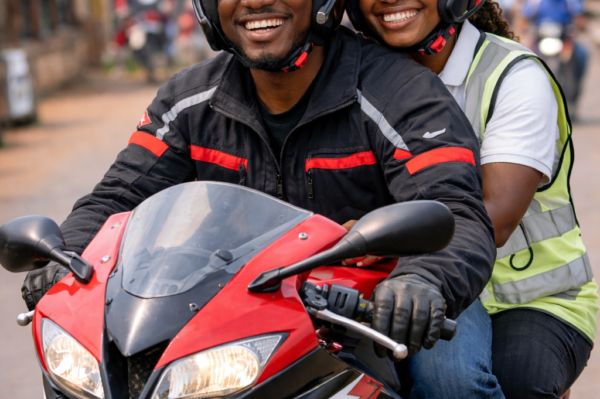
In Uganda, time is money, and nowhere is that more visible than on two wheels. Riders move before dawn and long after sunset, weaving through traffic, rain, dust, and impatience. Every trip has a deadline. Every delay has a cost. The road is not just a place of movement, it is a workplace measured in minutes.
Speed did not become popular because riders are reckless. It became popular because life demands it.
Riding Under Pressure, Not by Choice
Most riders are not chasing thrills. They are chasing school fees, rent, fuel money, medical bills, and daily targets. The faster the trip, the more rides completed. The more rides completed, the better the day ends.
This pressure quietly reshapes behavior. Corners are taken faster. Yellow lights become suggestions. Overtaking feels necessary, not optional. Safety decisions are not ignored out of ignorance, but postponed in the hope that today will not be the day something goes wrong.
Unfortunately, the road does not negotiate with hope.
The System That Normalizes Risk
Risk on Ugandan roads is rarely caused by one dramatic mistake. It builds slowly through systems that reward speed and punish caution. Clients demand urgency. Employers set targets. Traffic infrastructure struggles to keep up. Enforcement is inconsistent. Riders adapt by surviving, not by slowing down.
Over time, danger becomes normal. Near misses are laughed off. Small injuries are ignored. Riders learn to accept risk as part of the job, like rain or dust.
This normalization is one of the biggest safety challenges Uganda faces.
Why Accidents Feel Sudden but Are Never Random
When an accident happens, it often feels sudden. A car swerves. A pedestrian steps out. A pothole appears. But behind that moment is a long chain of pressure driven decisions. Fatigue. Rushing. Overconfidence. Poor road conditions. Distraction. Mechanical stress.
The crash is not random. It is the final point where pressure meets physics.
And physics always wins.
When Speed Costs More Than Time
The true cost of speed is rarely counted at the roadside. It appears later, in hospitals, homes, and empty pockets. A rider injured today may lose weeks or months of income. Families adjust painfully. Employers scramble for replacements. Customers wait longer.
Speed promises short term gain, but often delivers long term loss.
Slowing down feels expensive. Recovering from injury is far more costly.
The Role of Employers and Institutions
This challenge does not belong to riders alone. Organizations that depend on motorcycles carry real influence. When delivery deadlines are unrealistic, risk increases. When safety expectations are unclear, shortcuts become normal.
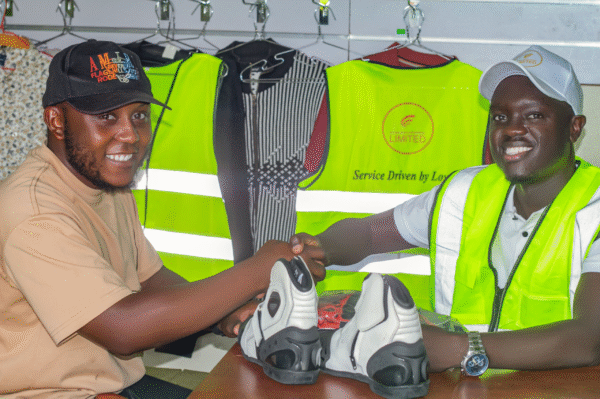
Institutions that protect riders through reasonable targets, safety policies, and proper equipment experience fewer disruptions and stronger loyalty. Riders who feel valued ride with more care. Safety is not a cost center. It is operational stability.
Relearning What Professional Riding Means
Professional riding is often misunderstood as speed and confidence. In reality, it is judgment, patience, and preparation. It is knowing when to slow down, when to wait, and when to refuse unsafe pressure.
True professionalism values arriving alive over arriving fast.
Changing this mindset takes time, leadership, and example. Riders follow what is rewarded. When safety is respected, it becomes routine.
Small Changes That Make a Big Difference
A safer riding culture does not require perfection. It requires consistency. Reasonable schedules. Planned rest. Clear safety expectations. Proper equipment. Open conversations about risk without blame.
Each small adjustment reduces pressure. Each reduction in pressure lowers the chance of a mistake. Over time, safety stops being an interruption and becomes part of the workflow.
The Road Will Always Demand Speed
Uganda’s economy will continue to move fast. Motorcycles will remain essential. Pressure will not disappear. But how that pressure is managed can change.
Speed should serve people, not sacrifice them.
Final Reflection
The danger on Ugandan roads is not the pothole or the careless driver. It is the constant hurry that rides silently behind every decision.
When riders, organizations, and communities learn to manage urgency with responsibility, the road becomes less hostile. Progress continues, but fewer lives are broken along the way.
Getting there five minutes later is often the safest investment a rider can make.